



1. Overview of Inflatable Seat Butterfly Valves
As a special type of industrial valve, the inflatable seat butterfly valve plays a critical role across industrial sectors. It is applied to cut off pipeline flow or perform rough flow regulation, featuring distinctive structural design and working principles that differentiate it from conventional butterfly valves.
Traditional rubber-lined butterfly valves rely on extrusion deformation between the rubber seat and butterfly disc to achieve sealing. This sealing method carries inherent drawbacks: excessive sealing interference is hard to control, resulting in high opening and closing torque. Besides, the rubber seat is installed inside a wedge-shaped groove of the valve body, which complicates machining.
By contrast, the inflatable seat butterfly valve realizes sealing via inflation-induced deformation of an integrated air bladder. This design perfectly resolves multiple pain points of conventional butterfly valves.
2. Structural Composition of Inflatable Seat Butterfly Valves
An inflatable seat butterfly valve consists of several core components, each with independent functional roles.
2.1 Valve Body
The valve body serves as the foundational frame that supports and accommodates all internal parts. Air inlet ports are machined on the valve body, communicating with the air bladder cavity formed between the valve body and rubber seat. These ports act as the dedicated channels for air inflation and deflation.
2.2 Rubber Seat
The rubber seat is fitted inside the valve body with flat contact surfaces mating the valve body, simplifying machining, shortening production cycles and guaranteeing precise dimensional tolerances. The end face forming the air cavity with the valve body adopts an arc design, which optimizes sealing performance during inflation.
Moreover, the inner bore diameter of the rubber seat matches the inner size of mating flanges, enabling full planar contact between flanges and the rubber seat. This structure enhances the rigidity of the rubber seat and extends its service life.
2.3 Butterfly Disc
The butterfly disc is the core flow control component that rotates inside the valve body. When the disc rotates to the fully closed position, compressed air inflates the bladder to expand the rubber seat, which tightly clings to the disc to form a complete seal. To open the valve, air inside the bladder is discharged; the rubber seat rebounds elastically and creates a clearance from the disc. This zero-contact clearance delivers zero actuation torque during valve operation.
2.4 Valve Stem
The valve stem transmits driving force to rotate the butterfly disc. Most inflatable seat butterfly valves adopt an offset layout between the stem and air bladder, creating an axial gap between the stem and air cavity along the inner wall of the seat. The stem is kept away from the air chamber to strengthen air cavity tightness and eliminate air leakage risks.
This offset structure is implemented via protruding connecting plates at one end of the disc, where the valve stem is rigidly fixed to the plates.
2.5 Annular Air Bladder
The annular air bladder is the key sealing element embedded inside the rubber seat. Together with the seat, it forms a sealed air cavity. When pressurized air fills the cavity, the bladder bulges inward to tightly seal against the butterfly disc.
To maximize sealing efficiency, the outer wall of the disc is machined into an inclined wedge-shaped cross-section, while the inner wall of the bladder is manufactured with matching inclined surfaces. This design expands contact area and increases compression force between disc and bladder for superior tightness.
3. Working Principle of Inflatable Seat Butterfly Valves
The valve operates based on inflation and deflation cycles of the air bladder, relying on controllable bladder deformation to switch between sealed closed status and unobstructed open status.
Valve Closing Process: The butterfly disc first rotates to the closed position. Compressed air enters the bladder cavity through the air inlet port. Rising internal air pressure expands the rubber seat outward toward the disc, until full surface contact forms a reliable seal that completely blocks medium flow.
Valve Opening Process: Prior to disc rotation, air inside the bladder is exhausted through the inlet port. The rubber seat recovers its original shape under elastic force and separates from the disc to form a uniform clearance. The disc can then rotate freely without friction against the seat. Zero friction between sealing pairs achieves zero driving torque during switching, lowering operational resistance and energy consumption significantly.
4. Core Advantages vs. Conventional Butterfly Valves
4.1 Superior Sealing Performance
Sealing is achieved through active bladder inflation, which automatically adapts to minor positional deviations and shape variations of the butterfly disc. The matched wedge inclined surfaces on disc and bladder enlarge contact area and compression stress, delivering bubble-tight sealing.
4.2 Ultra-Low Opening & Closing Torque
A clearance is maintained between the seat and disc throughout operation, eliminating frictional extrusion that exists in traditional butterfly valves. Zero driving torque drastically reduces actuation difficulty and energy loss, improving overall equipment operational efficiency.
4.3 Simplified Machining & Lower Production Cost
Flat mating surfaces between valve body and rubber seat replace the complex wedge grooves of traditional valves. Flat surfaces are easier to machine with stable dimensional accuracy, cutting processing time and manufacturing costs.
4.4 Extended Service Life
Full planar contact between mating flanges and rubber seat boosts seat structural rigidity, avoiding uneven stress distribution and localized abrasion damage;
Offset layout of valve stem and air bladder prevents air cavity leakage, reducing medium erosion and extending the whole valve’s service cycle.
5. Wide Application Fields
Thanks to its unique performance strengths, inflatable seat butterfly valves are widely deployed across multiple industrial sectors.
5.1 Chemical Industry
Chemical pipelines frequently transport corrosive, toxic, flammable and explosive media. The valve’s reliable zero-leak sealing effectively prevents hazardous medium leakage to secure stable, safe production. Low-torque operation supports automated remote flow cut-off and throttling control for chemical raw material conveying pipelines.
5.2 Food & Beverage Industry
This industry imposes strict hygiene and contamination-free standards. The rubber seat can be manufactured with food-grade compliant elastomers that avoid medium contamination. Automated low-torque operation minimizes manual intervention and cross-contamination risks, making the valve ideal for precise liquid flow control in beverage filling production lines to guarantee consistent product quality.
5.3 Water Treatment Industry
The valve’s reliable sealing and adjustable throttling performance fully satisfy water system control requirements. It is widely used for raw water delivery at waterworks, wastewater discharge in sewage treatment plants and industrial circulating water pipeline flow regulation to stabilize water handling efficiency.
5.4 Pneumatic Conveying Systems
Pneumatic conveying environments demand valves with low friction, minimal torque and high wear resistance. Inflatable seat butterfly valves perfectly meet these criteria for transporting powder and granular materials, minimizing material leakage and pipeline blockages to improve conveying efficiency. Typical applications cover cement, grain and bulk solid transportation industries.
6. Maintenance & Servicing Guidelines
Standardized periodic maintenance is required to guarantee stable valve operation and prolong service life.
6.1 Periodic Inspection
Conduct routine visual and functional checks on all core components:
Check the valve body for cracks, deformation and structural damage;
Inspect rubber seats and air bladders for abrasion, aging and air leakage;
Verify flexible rotation of the butterfly disc;
Confirm secure connection of the valve stem;
Repair or replace damaged components immediately upon detection of defects.
6.2 Surface & Internal Cleaning
Keep the valve exterior free of dust and dirt to avoid foreign particles infiltrating internal structures and disrupting normal operation. Clean rubber seats and bladders with compatible neutral detergents; strictly avoid cleaning agents that cause rubber corrosion and aging.
6.3 Rotating Parts Lubrication
Lubricate the valve stem and other rotating components on fixed cycles to reduce rotational friction and maintain smooth disc movement. Select industry-specified compatible lubricants, and prevent lubricant spillage onto rubber sealing parts which would damage sealing performance.
6.4 Inflation System Maintenance
The inflation system is a critical auxiliary unit of the valve. Regularly inspect air inlet ports, solenoid valves and related pneumatic accessories: ensure unobstructed air channels and reliable on-off action of solenoid valves to guarantee accurate inflation/deflation of the bladder. Repair or replace faulty pneumatic components without delay.
6.5 Maintenance Record Management
Establish complete maintenance archives to record service dates, maintenance items and all detected equipment faults. Analyze historical maintenance records to identify potential hidden failures, formulate optimized maintenance schedules and boost maintenance efficiency.
Related Articles
-
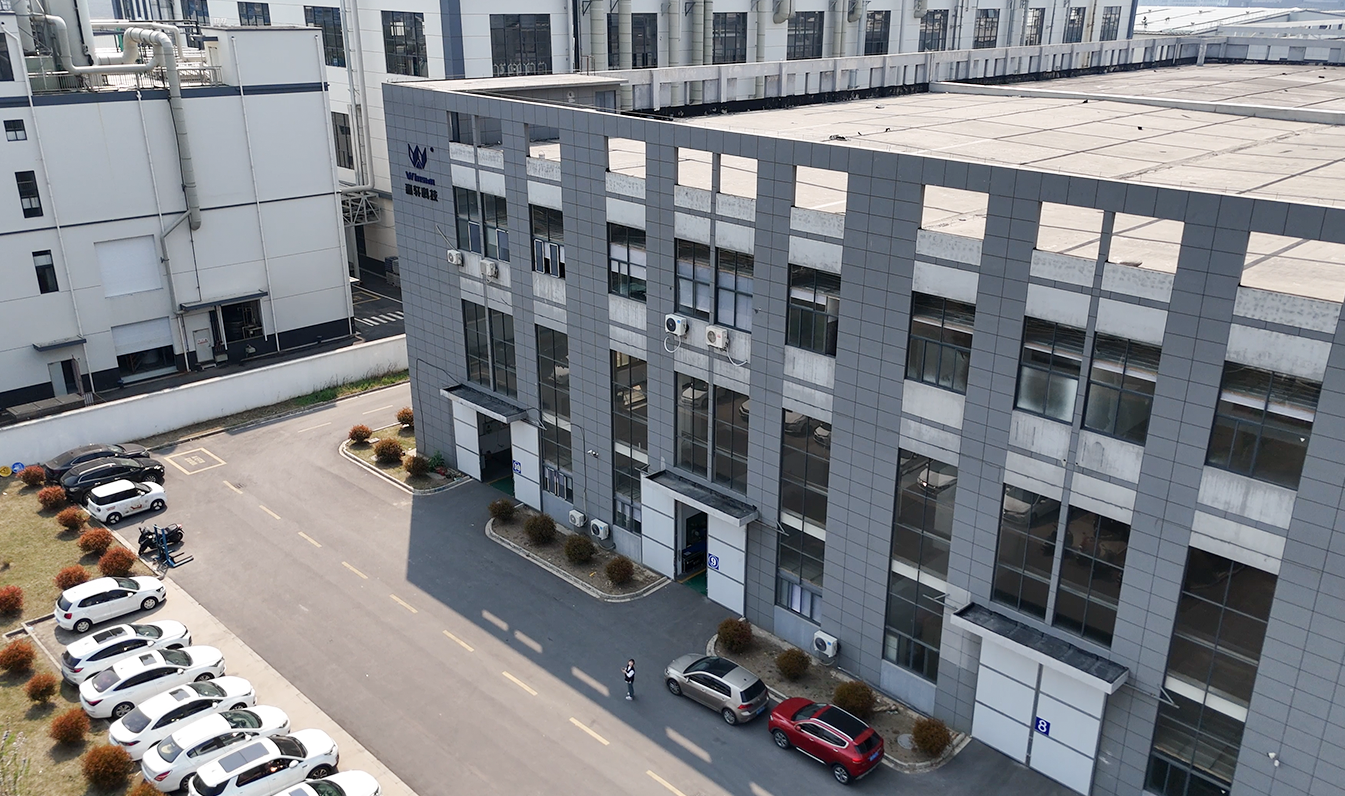 Jiangsu Yingxuan Technology Co., Ltd., supported by Germany’s WINSHN Industrial Group, specializes in the R&D, manufacturing, and sales of industrial control valves and automation systems. Its product range includes butterfly valves, ceramic ball valves, rotary valves, and integrated control valve systems, certified by ISO9001, CE, ATEX, TS, and SIL3 standards. With a service network across China and global markets, the company provides high-quality, customized fluid control solutions for industries such as energy, chemical, and power.
 -
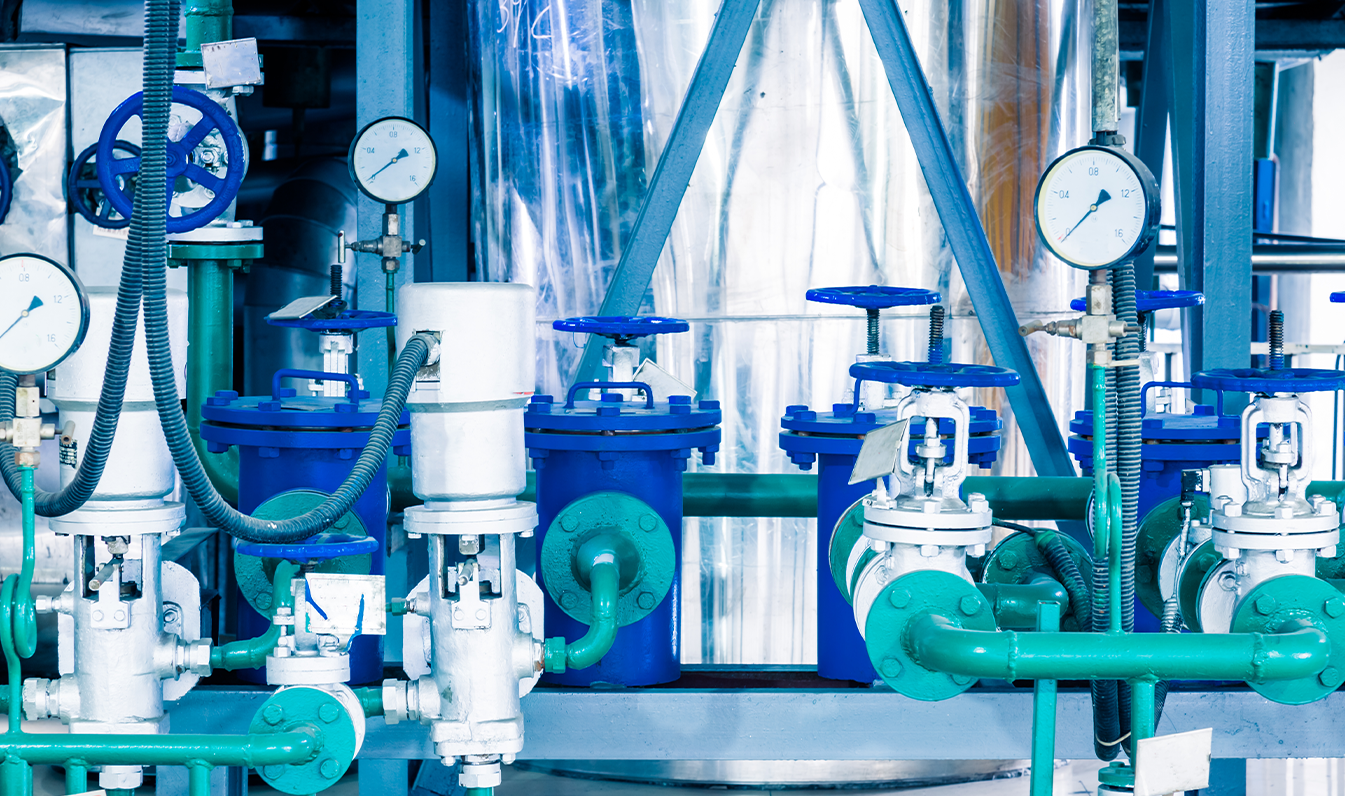 Valves are essential components of industrial fluid control systems, playing a key role in regulating flow, pressure, and direction. They ensure the safe and efficient operation of industrial processes. With the advancement of automation, valves have evolved into intelligent control units widely used in energy, chemical, and power industries, significantly improving efficiency, reducing energy consumption, and enhancing operational safety.
 -
 Yingxuan Technology focuses on industrial control valves and automation systems, including butterfly valves, ball valves, C-type valves, three-way valves, dome valves, and rotary valves. These products are widely used in gas, liquid, and powder control applications. Featuring high reliability design, corrosion-resistant materials, and intelligent control capabilities, they meet complex industrial requirements and support customized system solutions for industries such as energy, chemical, metallurgy, and environmental protection.
