



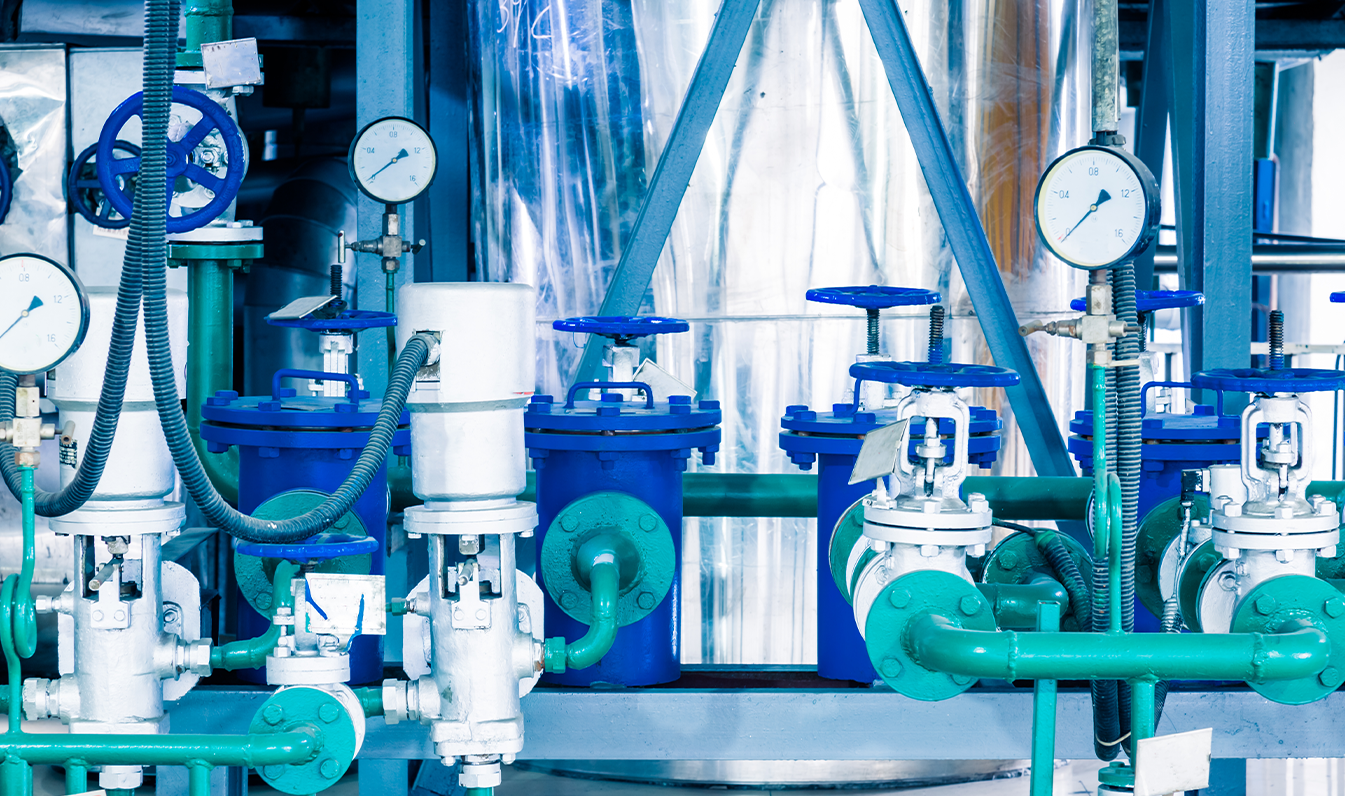
In modern industrial systems, valves may appear small in size, but they play a crucial role in ensuring the stability, safety, and efficiency of entire production processes. As the core control component of fluid systems, valves are widely used for transporting, regulating, and controlling gases, liquids, and powders across various industries.
With the continuous advancement of industrial automation, valves have evolved from simple mechanical shut-off devices into highly engineered products integrating mechanical design, material science, and intelligent control technologies.
1. Core Control Element in Industrial Processes
In any fluid-handling system, valves are indispensable components. From petrochemical plants and power generation to metallurgy and environmental engineering, valves perform essential functions such as:
• Flow regulation
• Pressure control
• Direction switching
• System isolation
These functions directly determine the efficiency and stability of industrial operations.
2. A Critical Barrier for Industrial Safety
In high-temperature, high-pressure, corrosive, or hazardous environments, valves serve not only as control devices but also as the first line of safety protection.
High-performance industrial valves ensure reliable operation under extreme conditions, preventing leakage, overpressure, or uncontrolled flow, thereby safeguarding both personnel and equipment.
In industries such as oil & gas, chemical processing, and power generation, valve safety performance is directly linked to overall system reliability.
3. Key Component in Industrial Automation
With the rise of Industry 4.0 and smart manufacturing, valves have become increasingly integrated into automation systems.
Modern automated valve systems can be connected with PLC, DCS, and industrial IoT platforms, enabling:
• Remote control
• Real-time monitoring
• Intelligent adjustment
This transformation allows valves to function not only as actuators but also as critical data nodes in industrial systems.
4. Impact on Efficiency and Energy Consumption
Valve performance directly affects energy efficiency and operating costs in industrial systems.
High-quality valves reduce flow resistance and enable precise regulation, minimizing energy loss and improving transmission efficiency. Additionally, optimized flow design reduces wear and extends equipment lifespan.
Thus, valves play a key role in energy saving and cost reduction.
5. Adaptation to Complex Industrial Conditions
Different industries require valves with specific performance characteristics:
• Chemical industry: corrosion resistance
• Energy industry: high pressure resistance and safety
• Food & pharmaceutical industry: hygiene standards
• Environmental industry: sealing and stability
Therefore, modern valve systems must offer strong adaptability and customization capabilities.
6. Technological Advancements Driving Industry Growth
With continuous improvements in materials and manufacturing technologies, the valve industry is undergoing significant transformation.
Advanced materials such as ceramics, stainless steel alloys, and special coatings have greatly enhanced wear resistance and corrosion resistance. Meanwhile, smart sensing and automation technologies have improved precision and responsiveness.
These advancements are driving industrial systems toward higher efficiency, safety, and intelligence.
7. Conclusion
Valves are fundamental components in industrial systems, playing a vital role across the entire production chain. From fluid control and system safety to energy efficiency and automation, valves are indispensable.
As industries move toward intelligent and sustainable development, valves will continue evolving toward higher performance, reliability, and intelligence, serving as a key foundation for modern industrial advancement.